Pokazywanie postów oznaczonych etykietą Batushka. Pokaż wszystkie posty

niedziela, 28 marca 2021

Batushka - Carju Niebiesnyj (Witching Hour Productions 2021)

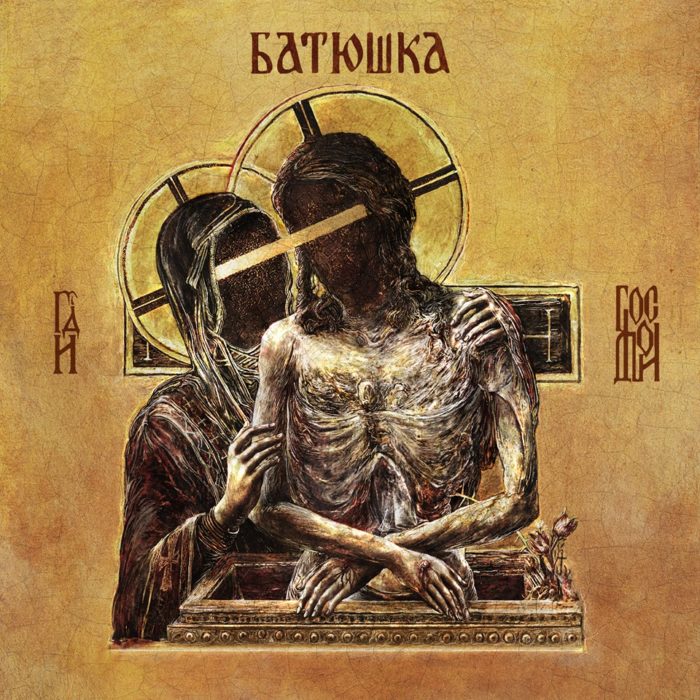
Mija parę miesięcy, a Batushka atakuje z kolejnym - krótkim, bo niespełna półgodzinnym - materiałem. "Carju Nibiesnyj" to kolejny drobny krok w rozwoju tego zespołu i materiał wyraźnie różniący się od poprzedników, a wciąż nieopuszczający formy i estetyki, jaką ten zespół sobie wybrał na samym początku. Byłem bardzo ciekaw, co pojawi się na tym wydawnictwie, specjalnie przesłuchałem tylko jeden singiel i cierpliwie czekałem na płytę. Na tym minialbumie Batushka opuszcza patos, przepych i skąpaną w kadzidłach cerkiew czy też tajemniczy monastyr, by przenieść się na prowincję, do małej wiejskiej świątyni otoczonej przez strzechy i dzikie ostępy. Płyta jest mroczna, poważna, refleksyjna, także na swój sposób surowa - ma coś w sobie z debiutu, a i z wydanego niedawno "Raskol", aczkolwiek to wciąż coś wyraźnie nowego. Mamy tu trochę inne chóry - już nie mnisie inkantacje, a piękne zaśpiewy (piąta kompozycja to mistrzostwo i esencja tego całego progresywnego stylu). Jest i sporo tradycyjnych instrumentów, które nie pojawiały się wcześniej w kompozycjach zespołu. Znalazło się też miejsce na orkiestracje: nadające dramatyzmu i klimatu smyczki, ale i typowe dla rosyjskiej wsi buzuki czy bałałajki. Płyta zabrzmiała miejscami na swój sposób progresywnie, ale wciąż ekstremalnie i złowieszczo (drugi utwór na krążku jest tu ciekawym kontrastem). Zespół ponownie nawiązuje tu do starych prawosławnych modlitw i pieśni, ale mam też wrażenie, że tytułem i grafikami zdobiącymi płytę do ostatnich dni rodziny Romanowów i cara Mikołaja II. Dostrzegam tu pewną analogię do klimatu płyty, o którym wspomniałem wcześniej, bo i po abdykacji car więziony był z dala od bogactwa i przepychu, w odosobnieniu oczekując na kres swego życia. Cieszy mnie fakt, że zespół wciąż ma nowe pomysły i w bardzo ciekawy sposób rozwija swoją muzyczną formułę.


English translation:

A few months have passed, and Batushka attacks with another - short, because less than half an hour - material. "Carju Nibiesnyj" is another small step in the development of this band and the material clearly different from its predecessors, yet still remaining in the form and aesthetics that this band chose at the very beginning. I was very curious to hear what will appear on this release, I've listened to only one single on purpose and been waiting patiently for the release. In this mini-album, Batushka leaves the pathos, splendor and incense-bathed church or mysterious monastery to move to the province, to a small village temple surrounded by thatched roofs and wilderness. The album is dark, solemn, meditative, also raw in its own way - it has something in common with the debut and the recently released "Raskol", although it is still something clearly new. We have different choirs here - no longer monastic incantations, but beautiful chants (the fifth composition is mastery and the essence of this whole orthodox style). There are also many traditional instruments that have not appeared in the band's muic before. Orchestrations have found their way here as well: strings that give drama and climate, but also bouzoukis or balalaikas typical of the Russian countryside. The album sounds progressive in its own way, but still extreme and ominous (the second track on the record is an interesting contrast here). The band once again refers to old orthodox prayers and chants, but I also have the impression that the title and graphics decorating the album refer to the last days of the Romanov family and Tsar Nicholai II. I see a certain analogy to the atmosphere of the album, which I mentioned earlier, because even after his abdication, the Tsar was imprisoned far from wealth and splendor, waiting in isolation for the end of his life. I am glad that the band still has new ideas and develops its musical formula in a very interesting way.


wtorek, 28 lipca 2020

Batushka - Raskol (Witching Hour Productions 2020)

Niespodziewanie pojawił się kolejny materiał od Batushki, a zarazem pierwsza EPka w dorobku zespołu. "Raskol" to pięcioczęściowa i nieco ponad półgodzinna muzyczna opowieść, połączona w jedną spójną całość. Po raz kolejny materiał idzie naprzód, ale i nawiązuje do swoich korzeni, czyli do płyty "Litourgiya". Jest swoistym połączeniem patosu i świeżego brzmienia "Hospodi" z klimatem i odrobiną, nazwijmy to, surowości debiutu. EPka przesiąknięta jest fascynacją wschodnią kulturą prawosławia, zarówno rosyjskiego, jak i greckiego, której estetyka została tu przeobrażona w mroczną, bluźnierczą formę. Ponownie cofamy się atmosferą do jakiejś osadzonej na odludziu cerkwi lub monastyru. Nowym motywem, który przewija się przez całą płytę są czyste partie gitar wykorzystane jako intra lub przerywniki budujące klimat każdego z utworów. Ponownie, acz w nieco większym zakresie wykorzystano chóralne zaśpiewy tak nieodzowne w tym koncepcie i to nie tylko pod tło (utwór zamykający "Raskol" - "IRMOS V" stawia je w swym prologu na pierwszym planie). Te cechy sprawiają, że aura EPki jest nieprzeciętna, a jej klimat wciągający. Bardzo podoba mi się kierunek, w jakim ta muzyka zmierza, a i cieszy fakt, iż ta formuła jeszcze się nie wyczerpała i po raz kolejny potrafi pozytywnie zaskoczyć.
Sam tytuł - "Raskol", który oznacza podział, schizmę, odnosi się do historii/konceptu, jaki został zawarty na materiale, ale jest również alegorią obecnej sytuacji, w jakiej znajduje się grupa. Liryczna część dzieła powstała, jak mówi zespół, na podstawie własnych interpretacji tekstów zawartych w "Sticherarionie" - księdze, która z powszechnego użycia liturgicznego zniknęła po reformie przeprowadzonej niegdyś przez patriarchę Nikona w XVII wieku. Na dzień dzisiejszy księga ta używana jest przez staroobrzędowców wszystkich konfesji i była jedną z przyczyn Wielkiej Schizmy z XVII wieku, a co za tym idzie, podziału w cerkwi prawosławnej. 
Kwestia, o której chciałbym na koniec napomknąć, to grafika zdobiąca płytę. Dla mnie osobiście jest dotychczas najlepszą, jaka pojawiła się na wydawnictwach z logiem Batushki. Nie tylko współgra z zawartością, ale i w pełni oddaje całą estetykę towarzyszącą zespołowi. Za ów koncept graficzny oraz samą okładkę odpowiedzialny jest podlaski artysta Maciej Szupica.


English translation:

Unexpectedly, another material from Batushka appeared, and at the same time it is the band's first EP. "Raskol" is a five-part and just over half an hour long musical story, combined into one coherent whole. Once again, the material goes forward, but also refers to its roots, which is the album "Litourgiya". It is a kind of combination of pathos and the fresh sound of "Hospodi" with the atmosphere and a bit of, let's call it, rawness of the debut. The EP is fulfilled with fascination towards Eastern Orthodox culture, both Russian and Greek, aesthetics of which have been transformed here into a dark, blasphemous form. Once again, we go back to some church or monastery set in a remote area. A new theme that runs through the entire album are pure guitar parts used as intros or interludes that create the atmosphere of each track. Again, though to a slightly greater extent, choral singing was used, so indispensable in this concept, and not only as a background (the "Raskol" closing piece, "IRMOS V" places them in the foreground in its prologue). These features make the EP's aura extraordinary, and its atmosphere addictive. I really like the direction in which this music is heading, and I am glad that this formula is not overused yet and can surprise positively once again.
The title itself - "Raskol", which means a division, schism, refers to the story/concept contained in the material, but is also an allegory of the current situation in which the band is. The lyrical part of the work, as the band says, was based on their own interpretations of the texts contained in the "Sticherarion" book, which disappeared from common liturgical use after the reform carried out by Patriarch Nikon in the 17th century. As of today, this book is used by Old Believers of all confessions and was one of the reasons for the Great Schism of the 17th century, and thus the division in the Orthodox Church.
At the end, I would like to mention the graphics that decorate the album. For me personally, it is the best one that has appeared on releases with the Batushka logo so far. Not only does it harmonize with the content, but also fully reflects the entire aesthetics accompanying the band. The artist from Podlasie, Maciej Szupica, is responsible for the graphic concept and the cover itself.


sobota, 22 czerwca 2019

Batushka - Hospodi (Mystic Production/ Metal Blade Records 2019)

Na samym początku tej recenzji muszę wyraźnie zaznaczyć, że nie będzie tu mowy o sporze i rozłamie w zespole i o wszelkich innych plotach, hejcie i sprawach nie dotyczących muzyki samej w sobie oraz zawartości płyty. To zostawmy wszystkim tym których, z braku innych zajęć, zajmują takie kwestie. Na Welcome to the Morbid Blog nie było, nie ma i nie będzie na to miejsca.
Do rzeczy. Nie powiem, że nie czekałem na ten album, czekałem i to bardzo. Miałem niezaprzeczalną ochotę przekonać się w jakim kierunku pójdzie czy też ewoluuje muzyka jaką poznaliśmy na pierwszej płycie "Litourgiya". Koncept i klimat na równi oryginalne i fenomenalne, jak zresztą same utwory. Poprzeczka była postawiona wysoko i można było sobie pomyśleć, że lepiej i równie zaskakująco się już nie da. Przecząc temu srogo bym się pomylił. "Hospodi" zaskoczył mnie pozytywnie i udowodnił, że tak trafiony, muzyczny pomysł nie musi ograniczyć się do jednej płyty i potem się wypalić. Najnowszy album może nie bije debiutu, ale stoi z nim ramię w ramię i eksploruje nowe rejony w ramach tego samego konceptu.
Ponownie mamy album z jednym konkretnym motywem przewodnim. Tym razem padło na prawosławną liturgię śmierci wraz z towarzyszącymi jej ortodoksyjnymi obrzędami pogrzebowymi, modłami i pieśniami za zmarłych z zamierzchłej historii. Na całość misterium składa się intro oraz dziewięć utworów podzielonych na jakby trzy akty: Wozglas (Święte Wezwanie), Utro (Poranek) oraz Dien (Dzień). Płyta z każdym utworem nabiera rozpędu i pokazuje coraz to pełniejsze i coraz bardziej podniosłe, pełne patosu oblicze. Koniecznie trzeba słuchać jej w całości, a nie wybiórczo (takie było założenie). Wtedy efekt jest najlepszy. Teraz kwestia brzmienia. Jest dynamiczne, przestrzenne, ma o wiele więcej mocy, a co za tym idzie, jest bardziej przystępne w stosunku do debiutu. Taki zabieg wpływa też na przekaz zawartych tu kompozycji - miało być z rozmachem, już nie kameralnie. Nie jest to już spowita mrokiem i cieniem liturgia z zapomnianej cerkwi gdzieś na odludziu, a potężne misterium na miarę Ławry Troicko - Siergiejewskiej. Jeżeli taki właśnie był cel, to został on osiągnięty. Riffy na płycie nie są zbyt wyszukane, utrzymany jest prosty schemat, ale za to uformowany w bardzo efektowny sposób, nie brakuje odwołań do Metalowej klasyki. Trochę można się tu odnieść do struktur jakimi operował Bathory, niby prosto, a zagrane tak, że potęgi i epickości temu nie brak. Warto też wspomnieć, że poza tymi charakterystycznymi, złowieszczymi wokalami przez całą płytę przewijają się chóralne zaśpiewy, które już ostatecznie dopełniają pompatyczności i podniosłości całości odprawianego tu misterium śmierci. Najlepszymi reprezentantami każdej z trzech części na jakie podzielony jest "Hospodi" są "Wieczernia", "Polunoszcznica" (najbardziej nośna melodia z całego albumu) oraz wieńcząca album "Liturgija" (tutaj się dzieje!). Każdy z tych utworów może być brany jako wizytówka niniejszej płyty.
Podsumowując, materiał nie rozczarował, poszedł w swym koncepcie i estetyce krok dalej przedstawiając potężny i oryginalny muzyczny pejzaż skąpany w podniosłości, nietuzinkowym klimacie i wszechobecnym mroku. Polecam bezapelacyjnie!

https://www.facebook.com/Batushkaband/
https://batushkaofficial.com/
https://www.mystic.pl/intro/
https://www.metalblade.com/us/

English version:

At the very beginning of this review, I must make it clear that there will not be a dispute about the  split in the band and any other plot, hate and issues that do not concern the music itself and the content of the album. Let us leave it to those who, because of the lack of other activities, deal with such issues. On Welcome to the Morbid Blog there was not, there isn't and there will not be a place for such things.
To the point. I will not say that I did not wait for this album, I waited as hell. I had an undeniable desire to hear in which direction it would go, how the music that we met on the first album "Liturgija" will evolve. The concept and atmosphere are equally original and phenomenal, as are the songs themselves. The bar was set high and one could think that it would be impossible to beat it. Saying yes to that, I would be wrong. "Hospodi" positively surprised me and proved that such musical idea does not have to be limited to one record and then burn out. The latest album may not beat the debut, but stands with it arm to arm and explores new areas within the same concept.
Again we have an album with one specific leitmotif. This time it is the Orthodox liturgy of death along with the accompanying orthodox funeral rites, prayers and songs for those who died taken from the shelves of history. The whole mystery consists of an intro and nine pieces divided into three acts: Wozglas (Holy Call), Utro (Morning) and Dien (Day). The album is gaining momentum with each song and shows more and more of its sublime, full of pathos face. It is necessary to listen to it in its entirety, not selectively (that's how it was meant to be). Then the effect is the best. Now the question of the sound. It is dynamic, spatial, has a lot more power, and hence, it is more accessible compared to the debut. Such move also affects the presentation of the compositions contained here - it was supposed to be in full swing, no more cameral. It is no longer a dark and shrouded liturgy from a forgotten church somewhere in a remote area, but a mighty mystery in a vein that can be compared to the Troitko - Sergeyevskaya Lavra monastery. If this was the goal, it was achieved. Riffs on the album are not very sophisticated, a simple scheme is maintained, but it is formed in a very effective way, there are clear references to Metal classics. You can relate a little to the structures that Bathory operated on, seemingly simple, but played in such a way that it do not lack power and epiciness. It is also worth mentioning that apart from these characteristic, ominous vocals, the choral chants, which finally complete the pomposity and sublimity of the whole mystery of death, pass through the whole album. The best representatives of each of the three parts to which "Hospodi" is divided are "Wieczernia", "Polunoszcznica" (the most catchy melody from the entire album) and the crowning "Liturgija" (now that's an epic stuff!). Each of these works can be taken as the showcase of this record.
To sum up, the album did not disappoint, it went in its concept and aesthetics a step further presenting a powerful and original musical landscape bathed in sublimity, extraordinary atmosphere and omnipresent darkness. Decisively recommended!